Bed bug extermination in Saskatoon
One destination for bed bug exterminator, treatment, and removal searches: how inspection works, what drives the quote, and how to book.
Bed bugs hitchhike on luggage, clothing, and furniture. An infestation does not mean a home is dirty. Saskatchewan public health is clear on that point. This site focuses on bed bug inspection, heat treatment, chemical IPM, and prevention for Saskatoon—not a padded multi-pest menu.
We help Saskatoon homeowners, renters, and landlords confirm bed bugs and choose a practical treatment path—heat, chemical IPM, or a combined plan—with clear prep and follow-up expectations.
Inspection and treatment process
After you call or send a request, the usual path looks like this:
- Inspect — confirm evidence and map harbourages before treating
- Quote — heat, chemical/IPM, or combined options with a prep sheet
- Prep — laundry on high heat, declutter, remove heat-sensitive items if needed
- Treat — vacate as instructed; pets and plants out
- Follow up — monitoring, encasements, and neighbour reporting in multi-unit buildings
Once a method is booked, follow the written prep sheet for your visit. Ask for response timing, what’s included, and any follow-up terms on your quote.

Pricing factors and quotes
Every job is quoted from an inspection. What usually changes the number:
- Square footage and number of rooms or units
- Infestation level and clutter
- Heat vs chemical (or combined) method
- Travel outside central Saskatoon
- Follow-up visits, encasements, and prep assistance
Request what the estimate includes: inspection findings, treatment scope, prep requirements, re-entry timing, and any follow-up terms.
Sample quote checklist
Use this checklist when you review a written estimate—so you know what to ask for.
- Property type, size, and number of rooms or units
- Inspection findings and infestation level noted
- Method (heat, chemical/IPM, or combined) and number of visits
- Prep requirements and re-entry window
- What follow-up or monitoring is included
- Any warranty or retreat terms in writing—if offered
- Total price and what is excluded (encasements, adjoining units, travel)
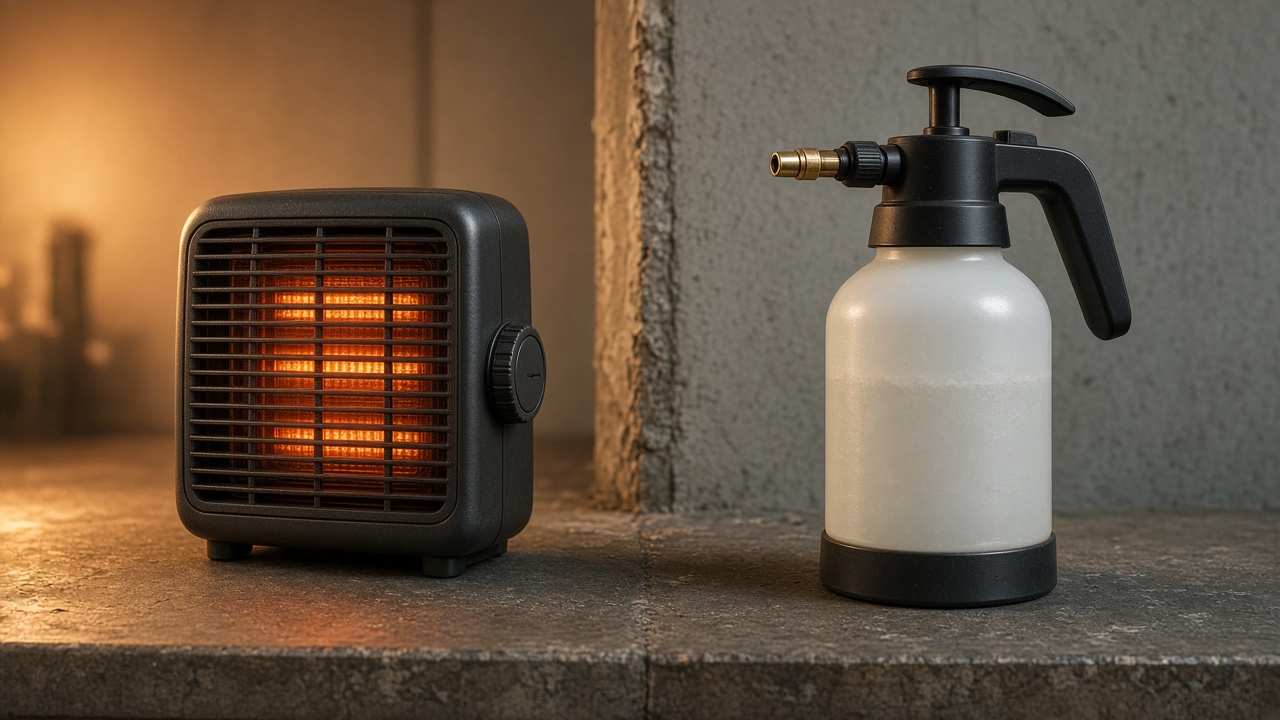
Heat vs chemical — a short decision aid
| Situation | Often better fit |
|---|---|
| Want fewer visits / kill eggs in one day | Heat (when correctly executed) |
| Budget-sensitive mild or moderate case | Chemical / IPM multi-visit |
| Chemical sensitivity | Heat or carefully labelled low-toxicity options |
| Need residual after the kill | Chemical residual, or heat plus limited residual |
| Multi-unit building | Coordinated multi-suite plan either way |
Read more on heat treatment and chemical treatment.
Property types we cover in content
- Houses and townhomes — owner-occupied or rental; inspect seams and frames before a deep clean
- Apartments and condos — tenant reporting, landlord coordination, and adjoining-unit planning
- Light commercial — small hotels, student housing, and similar when capacity exists (confirm on enquiry)
Who typically coordinates: homeowners call directly; renters notify the landlord first; property managers arrange access and multi-suite scheduling.
What to do today
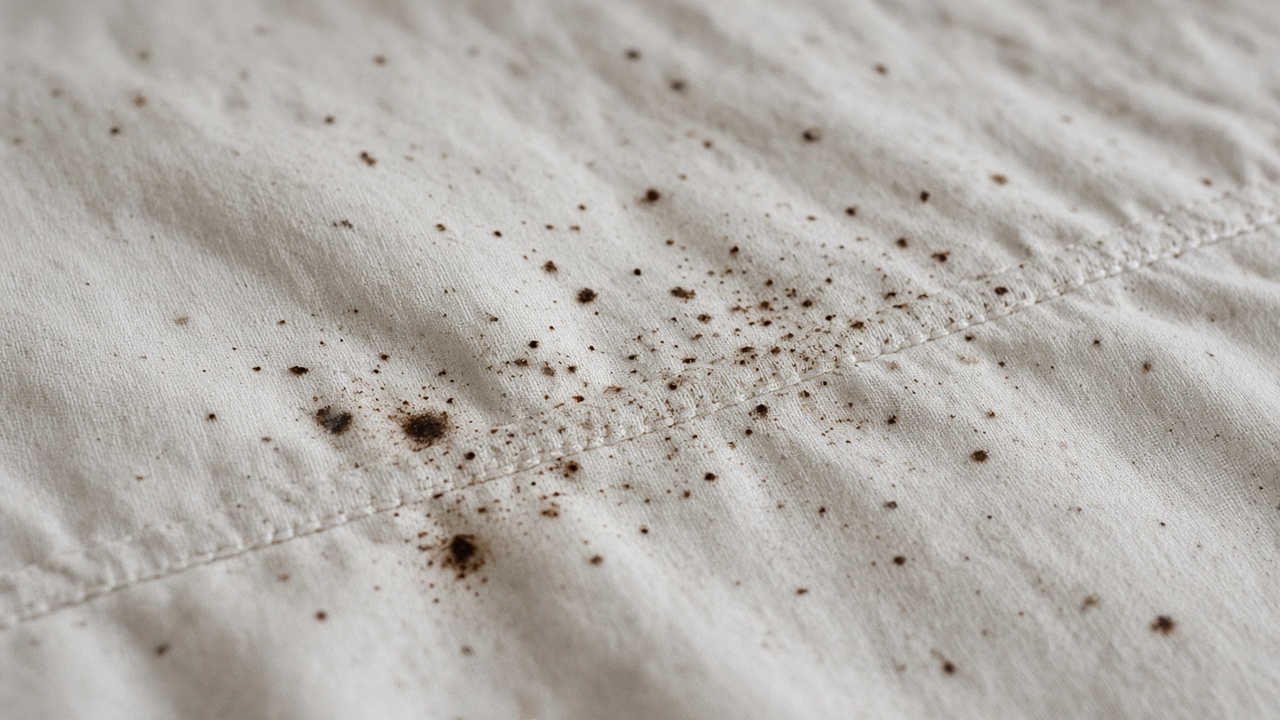
- Homeowners: Inspect mattress seams and frames; photograph evidence; call for an inspection before a deep clean that erases proof.
- Renters: Notify the landlord or property manager in writing right away. Saskatchewan guidance generally places treatment cost with the landlord unless tenant fault is proven.
- Landlords: Coordinate adjoining units; incomplete single-suite jobs are a common reason bugs return.
Service area
We serve Saskatoon first. Ask about Warman, Martensville, Dalmeny, Osler, Langham, Aberdeen, and nearby areas when you call.
Booking questions
- Can I book an inspection first? Yes—we confirm evidence before treating whenever possible. Ask whether an inspection fee applies on your quote.
- How much prep is needed? Depends on heat vs chemical. Follow the written prep sheet for your job.
- When can I return? Heat often allows same-day re-entry after cool-down; chemical re-entry follows the product label.
- What about pets? People, pets, and plants vacate during treatment as instructed.
- Who gets the report? Typically the person who books—often the owner or property manager in rentals.
Bed bug FAQs
Who should I call for bed bugs in Saskatoon?
Homeowners can call a licensed pest-control company that offers bed bug heat and/or chemical IPM. Renters should notify the landlord/property manager first so adjoining units can be coordinated. Ask about unmarked vehicles if privacy matters.
How much does bed bug treatment cost in Canada / Saskatoon?
Quotes depend on property size, infestation level, clutter, method (heat vs chemical), number of units, and follow-up visits. Ask for a written estimate for your property.
Is heat better than chemical spray?
Heat often finishes in one visit and kills eggs when temperatures are held correctly; chemical programs usually need multiple visits but can be cheaper upfront and leave residual. Best choice depends on severity, budget, clutter, and building type.
I’m a renter — who pays in Saskatchewan?
Treatment costs are generally the landlord’s responsibility; landlords may pursue a tenant only if the tenant was at fault. Report promptly and cooperate with prep. This is guidance, not legal advice.
Should I treat the problem myself with diatomaceous earth?
Saskatchewan public health lists decluttering, vacuuming, hot laundry, and professional help for heavy infestations. Locals debate DE: some swear by it; others warn it is messy and risky around kids and pets. DE alone rarely matches professional IPM for established infestations.
Do bed bugs mean my place is dirty?
No. Public health states an infestation does not mean the home is unclean — bed bugs hitchhike via travel and belongings.
Will treating only my apartment work?
In multi-unit buildings, bugs often move through walls. Treating one suite without a building plan can push them to neighbours. Insist on coordinated inspections and treatments.
How fast can someone come?
Many firms advertise prompt inspections; true 24/7 on-site capacity varies. Ask about the next available inspection window when you call.
Do I need to throw out my mattress?
Not always. Encasements plus professional treatment often save mattresses. Discard items only when they cannot be cleaned or treated.
Are unmarked trucks available?
Discreet service is a common local expectation. Ask when you book whether unmarked vehicles are used for your visit.
Services
Inspection
Confirm evidence before you treat—and know what not to clean first.
Heat treatment
Thermal remediation aimed at all life stages, often in one visit when done correctly.
Chemical treatment
Health Canada–labelled IPM with multi-visit timing for eggs that survive the first pass.
Prevention
Travel protocols, encasements, interceptors, and multi-unit habits.