Heat treatment raises and holds room temperatures so adults, nymphs, and eggs die when harbourages reach a lethal band—commonly discussed around ≥50°C / 122°F, with operators targeting higher set-points so heat penetrates furniture and voids.
Typical on-site duration is often 4–8 hours depending on size and clutter. People and pets vacate during treatment; many providers allow same-day re-entry after cool-down.
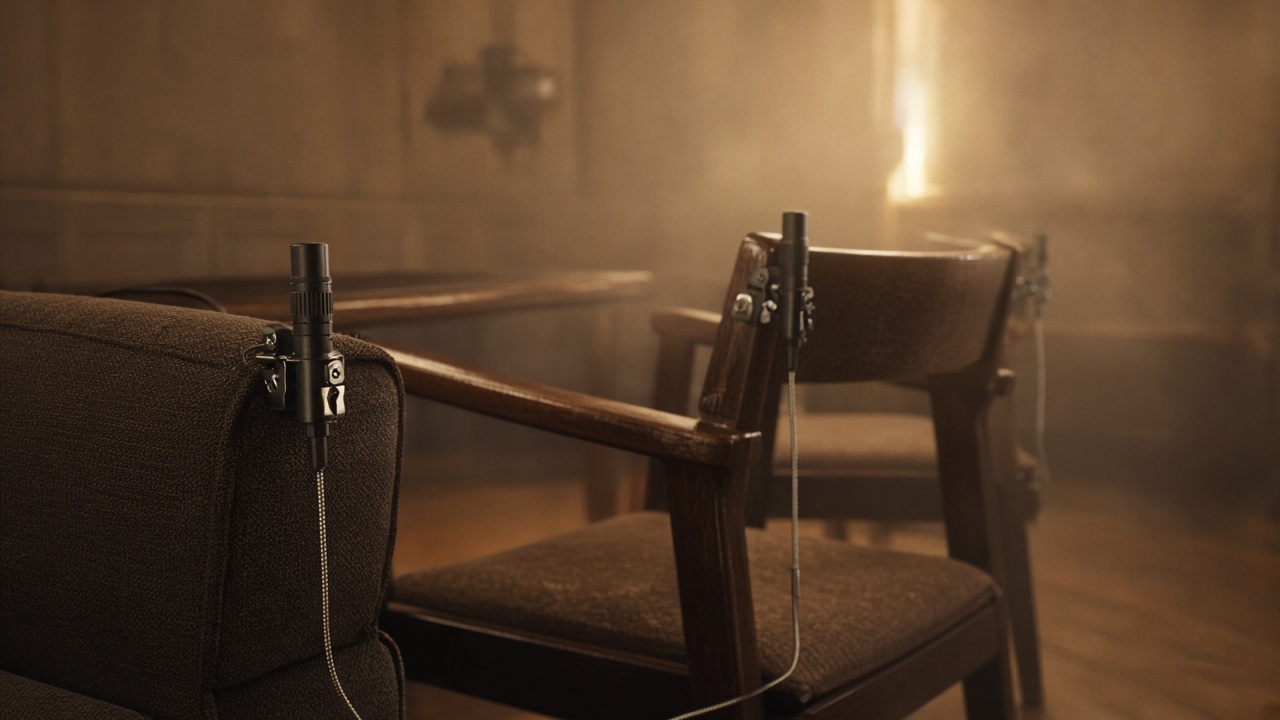
Preparation
- Remove aerosols, candles, cosmetics, some electronics, vinyl records
- Remove pets and plants
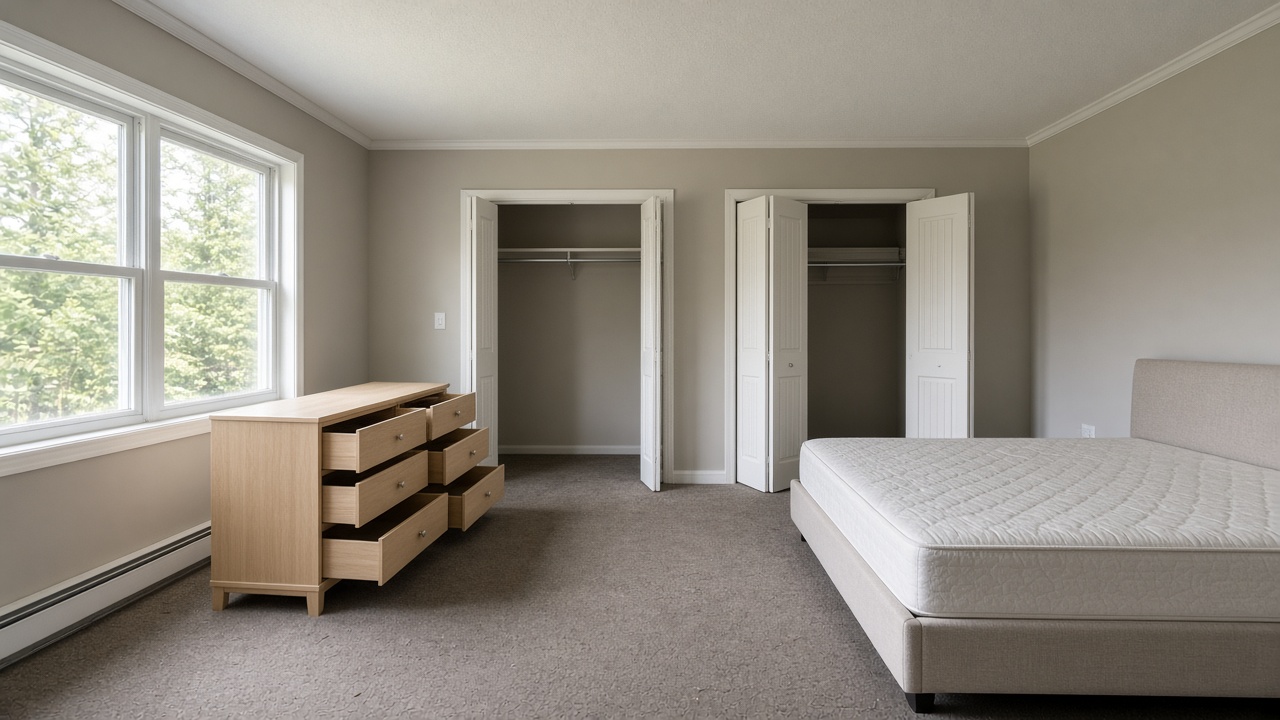
- Open closet doors and drawers for heat penetration
- Follow the written prep list for heat-sensitive items
Multi-unit caution
Heating one suite without a building plan can push bugs to neighbours. Coordinate adjoining units in apartments and duplexes.
Ready to talk options? Request an inspection or call.
FAQs
What temperature kills bed bugs?
Bed bugs die when exposed to roughly ≥50°C / 122°F for sufficient time; operators commonly target higher room set-points so harbourages reach lethal temperatures.
How long does heat treatment take?
Often 4–8 hours on site depending on size, clutter, and equipment.
Can I stay home during heat treatment?
No — people and pets vacate while heaters run. Re-entry is typically after cool-down the same day.
What do I need to remove before heat?
Aerosols, candles, cosmetics, some electronics, vinyl records, plants, pets, and other heat-sensitive items — follow the written prep list.
Does heat kill eggs?
Properly executed heat is valued because it can kill all life stages including eggs in one service.
Why is heat more expensive?
Specialized heaters, labour, and monitoring drive a higher upfront cost than many chemical programs, but heat may avoid multiple revisits.
Can heat damage my belongings?
Risk exists if items are left that cannot tolerate heat or if temperatures are uneven. Ask what monitoring sensors are used and what is excluded.
Is heat enough alone in apartments?
Building-wide pressure matters. Heat in one unit without treating neighbours can fail if bugs reintroduce.
When can I sleep in the room again?
Many heat providers allow same-day re-occupancy after cool-down with no pesticide wait period. Confirm for your job.
Should heat be combined with residual pesticide?
Some specialists combine heat with a minimal residual for belt-and-suspenders control. Ask what is included in the quote.