Chemical / residual IPM uses Health Canada–authorized products applied by licensed applicators. Eggs often survive the first pass, so programs typically need at least two visits about two weeks apart.
Do not confuse Canadian product authorization with US EPA registration language. Ask which actives will be used and request label/SDS summaries.
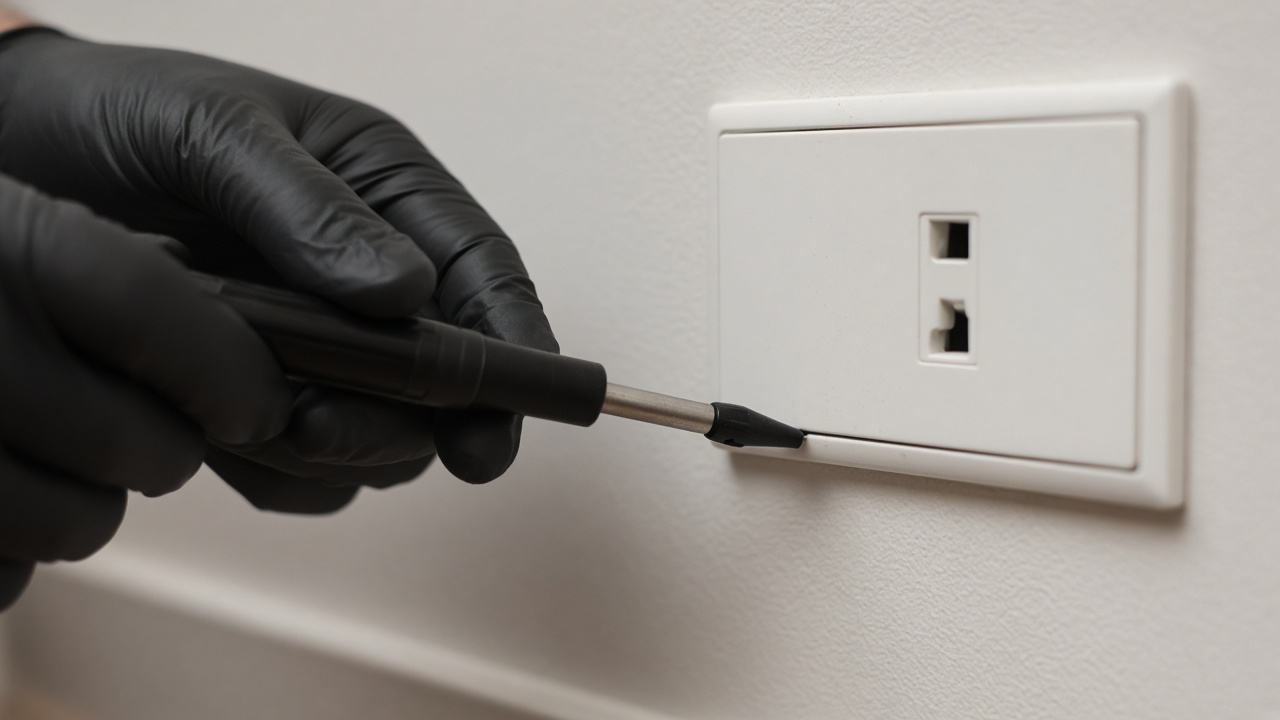
Why multiple visits
Follow-ups target newly hatched nymphs before they reproduce. Skipping the second visit is a common reason problems rebound.
Licensing in Saskatchewan
Commercial pesticide application for hire generally requires a provincial pesticide applicator licence under a licensed service company. Structural category covers pests in and around buildings. Ask which licences and products apply to your job.
Ready to talk options? Request an inspection or call.
FAQs
Why are multiple treatments needed?
Eggs often survive the first application; follow-ups target newly hatched nymphs before they reproduce.
How many visits are typical?
Often at least two, commonly about two weeks apart.
How long do I need to stay out after spraying?
Varies by product label — one local report described about six hours out of treated areas after a roughly two-hour application. Always follow the applicator’s label-based instructions.
Are treatments safe for kids and pets?
Products must be used as labelled; re-entry times matter. Ask which Health Canada–authorized products will be used and request SDS/label summaries.
What about pesticide resistance?
Resistance to some pyrethroids is widely discussed; ask which active ingredients are planned and whether IPM/non-chemical tactics are included.
What is a “biological” or fungal bed bug product?
Some programs use Beauveria-based biopesticides that bed bugs contact and spread in harbourages. Suitability depends on infestation level — ask which products are proposed for your job.
Do I still need to wash everything?
Yes — hot wash/dry cycles remain part of IPM even with residuals.
Chemical vs heat — which is cheaper?
Chemical usually has a lower entry price but total cost can approach heat once follow-ups are counted.
Who is allowed to apply commercial pesticides in Saskatchewan?
Individuals applying for hire/reward generally need a provincial pesticide applicator licence under a licensed service company; Structural category covers building pests.
Will one spray from a hardware store fix it?
Consumer aerosols alone seldom eradicate established infestations; heavy cases need professional IPM.